

Growth marketing is nothing more than great marketing being done well.
Take what works, experimenting, and moving fast in an opportunistic way to grow a company.
Growing a start-up to a scale-up is a hard job, and the first few paid customer is the most difficult part. Scaling up to a multi-million ARR company (usually) takes years of persistence, consistency, and pivoting.
This is my topic for SaaStock Local Athens on March 26th 2026.
And, this newsletter is an extension of this presentation.
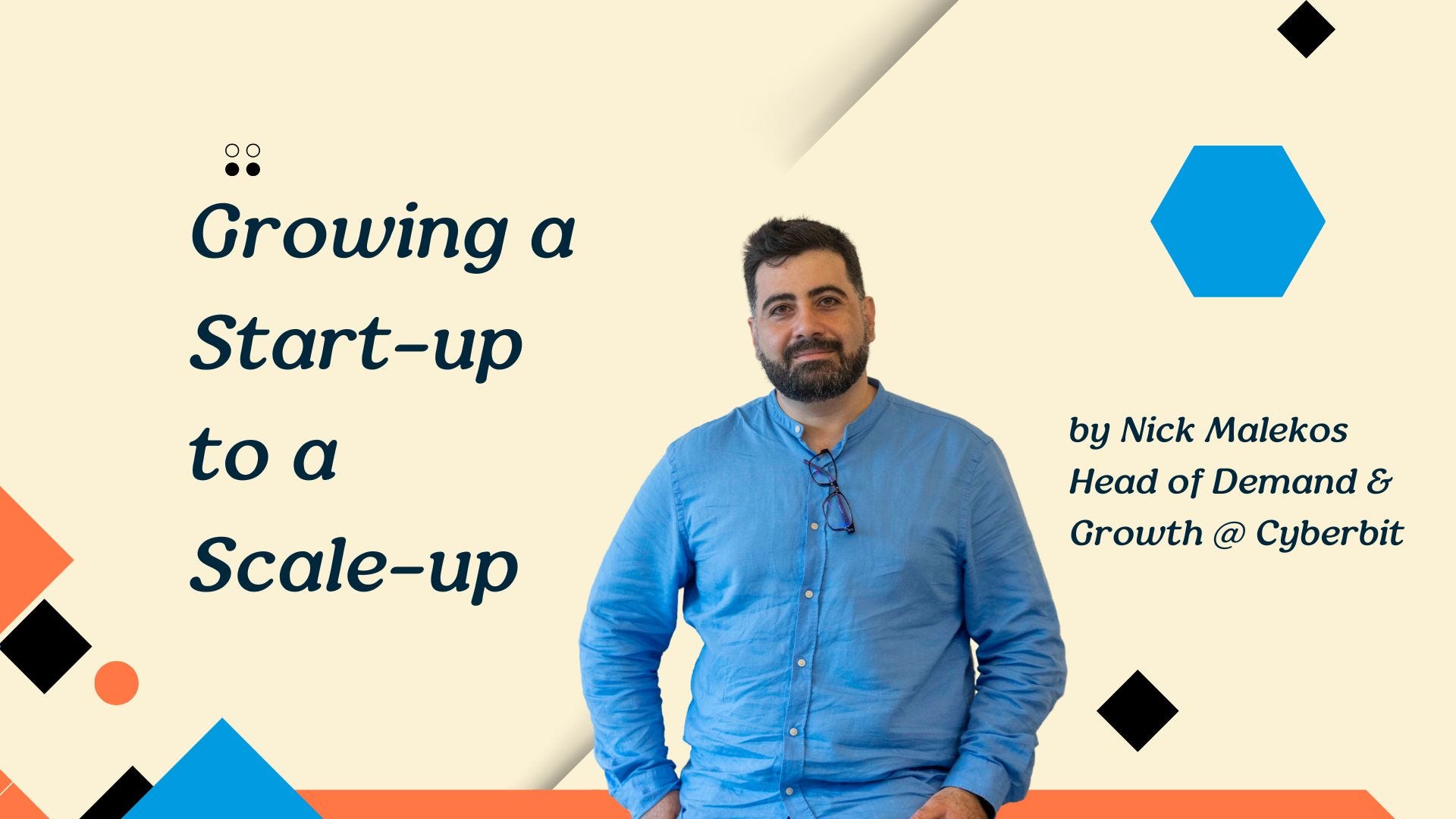
Access the presentation by subscribing to the newsletter.
You will get a welcome email with a link to the presentation.
Existing subscribers will get it through the chat feature of Substack.
What Playbooks Work for SaaS in 2026?
This is a collection of playbooks I see working well for some companies, as well as my experiences over the past 2 years.
It is by no means an exhaustive list.
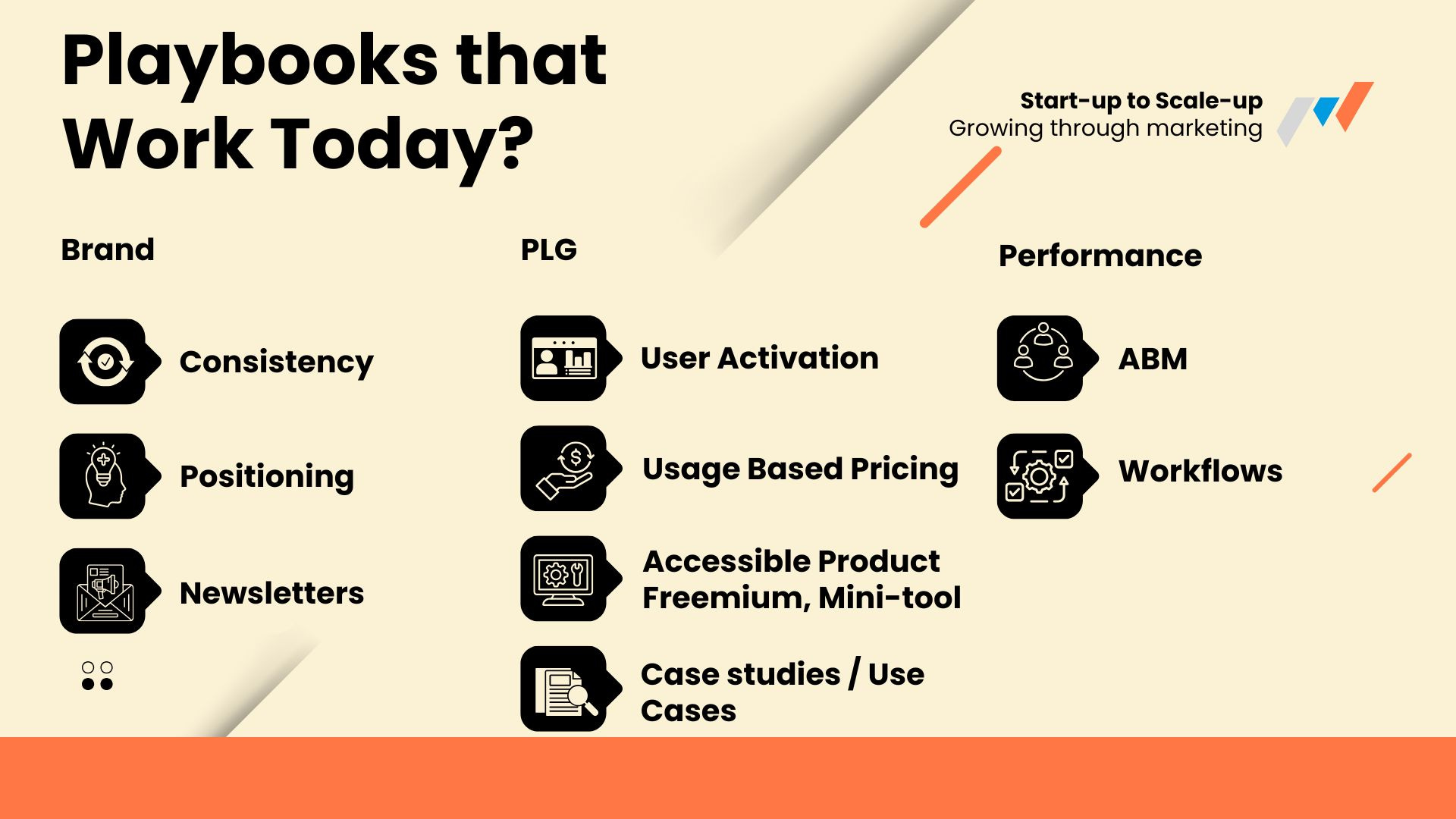
First, let’s break-down the playbooks into categories:
Brand
Product-Led-Growth (PLG)
Performance
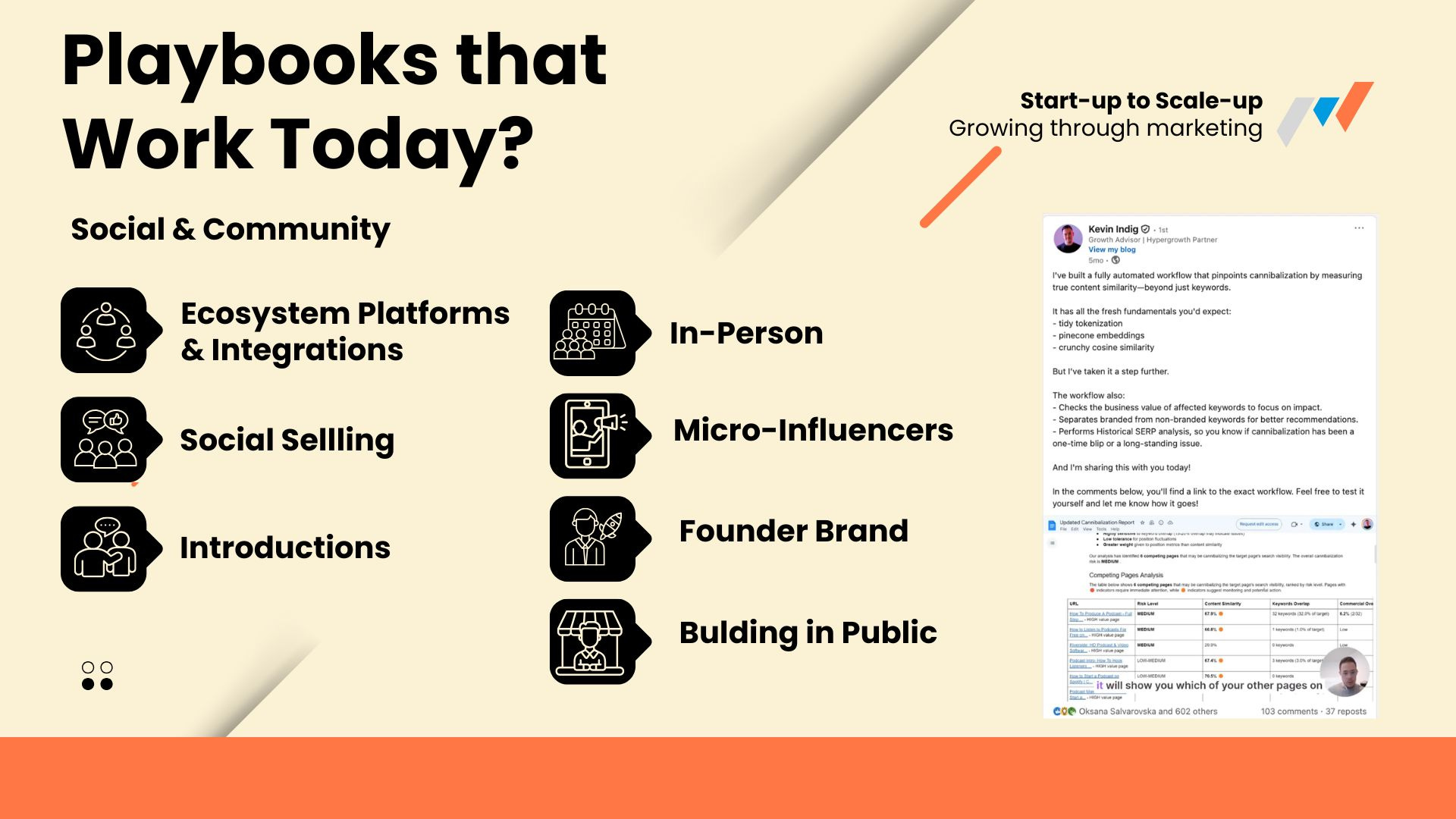
Social & Community
Brand
Brand is the ultimate moat.
The ONE thing none can replicate.
Consistency
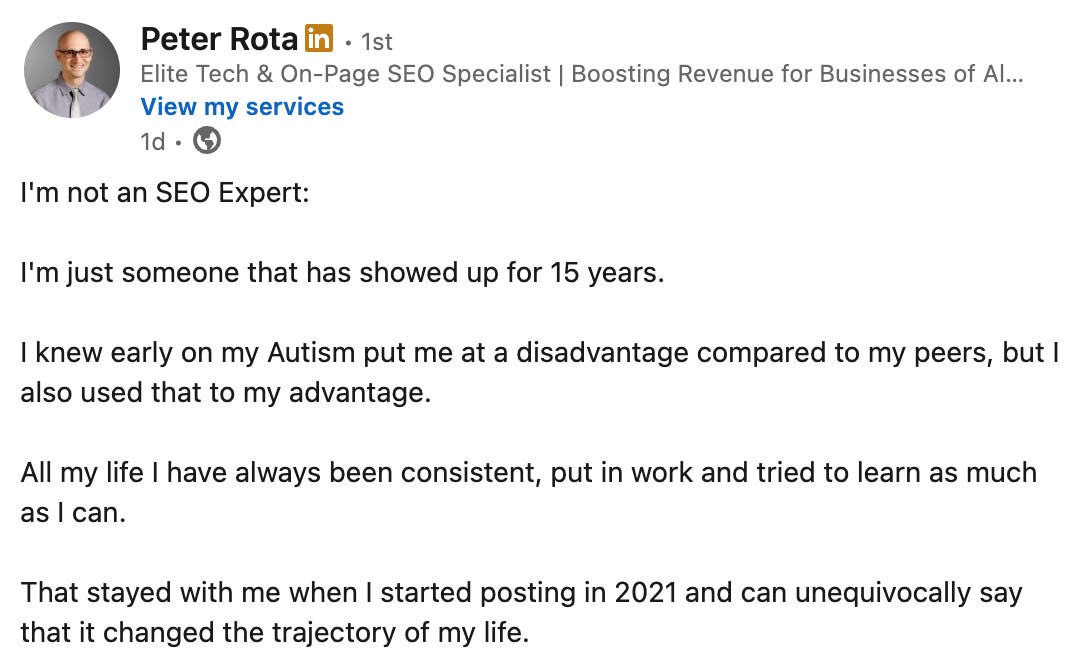
Showing up consistently builds a brand. Choosing a niche, a specialty, and an expertise around it. I was reading this post by Peter Rota the other day about showing up for 15 years to build his now 80k social media followership
While, my journey to 15k took 3 years of persistent work, as I describe in a previous article.
I Build a 15k Personal Brand on LinkedIn: Here is How

For a while, I wanted to talk about growing my profile on LinkedIn.
Positioning
Being the “X to the Y” is more important today.
Niching down, being explicit and specific to your offering is more important than ever.
AI works with fan-out queries, additional searches specialized to your conversation, personal history, and detailed questions (long-tail). Explicitly positioning for a niche is important to capture that audience, over going for an “all-use-case” startup.
Don’t drown yourself in the ocean, become the biggest fish in a small puddle first, then scale accordingly.
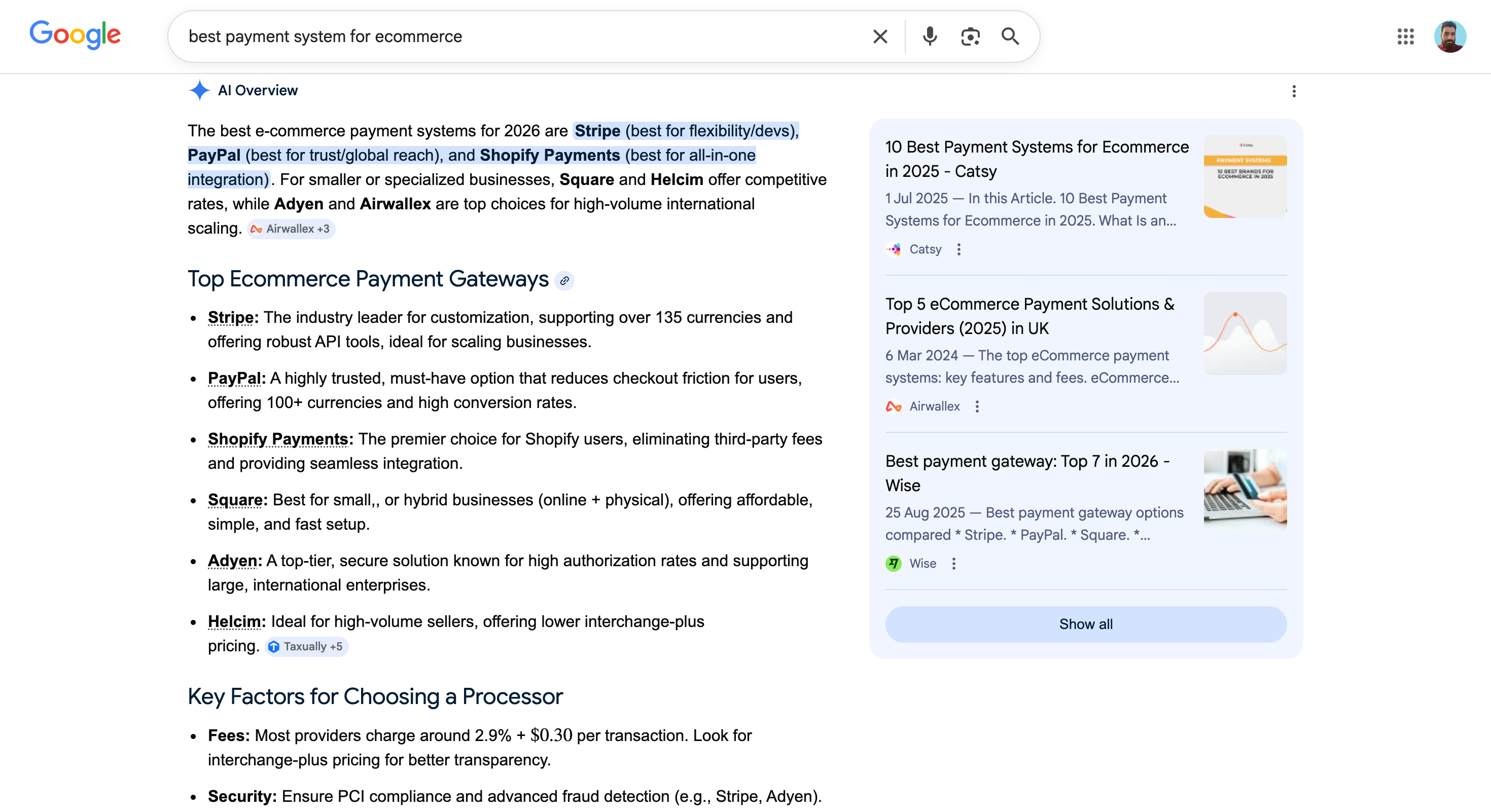
Newsletters
Own your audience, and combine it with consistency.
Repetition builds relationships. A potential client who finds you through your website will not become a repeat visitor that easily.
Having a newsletter both captures a user’s email and keeps the relationship alive…
…as long as you keep offering value in a consistent cadence.
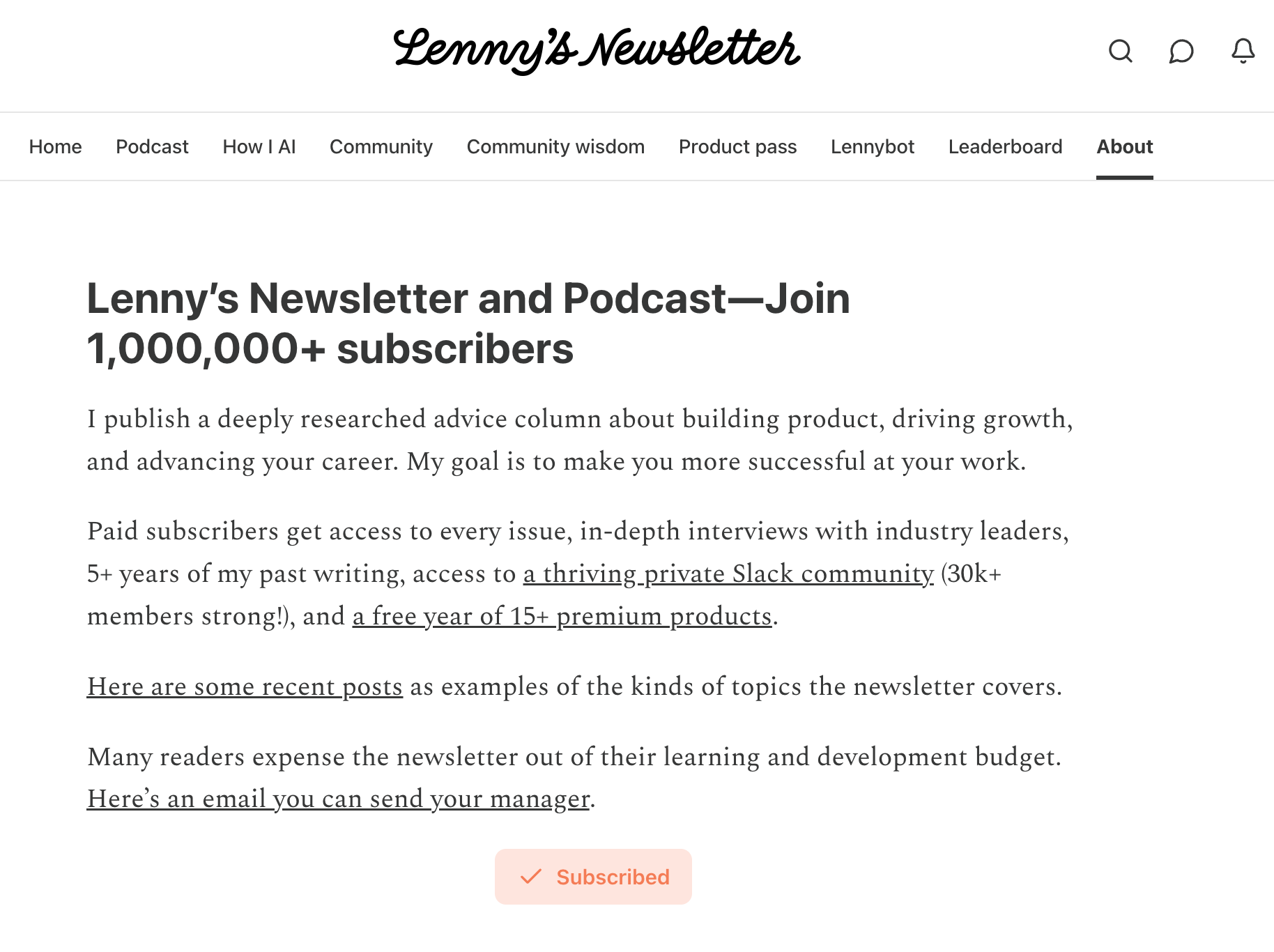
See how Lenny grew his newsletter into 1 Million Subscribers over 5 years, and now promotes tools.
I grew LearnWorlds’ newsletter to 300k and kept selling the product there for years. Consistency, value, offers, and product updates are important, while not caring about social algorithms.
PLG (Product-Led Growth)
The holy grail of SaaS, Product Led Growth.
Great product feel like they should be growing with PLG… the reality? PLG is being built into the products intentionally, and whether it’s a smart technical founder, or a marketing mind behind it… it’s great marketing at work here!
User Activation
Users share stories of your product and see the value if they adopt the features. Many founders build features that are never used, because they were not communicated correctly.
You can market your product features by jacking up user activation.
Engaged users stay longer, and pay more == Bigger LTV (lifetime value).
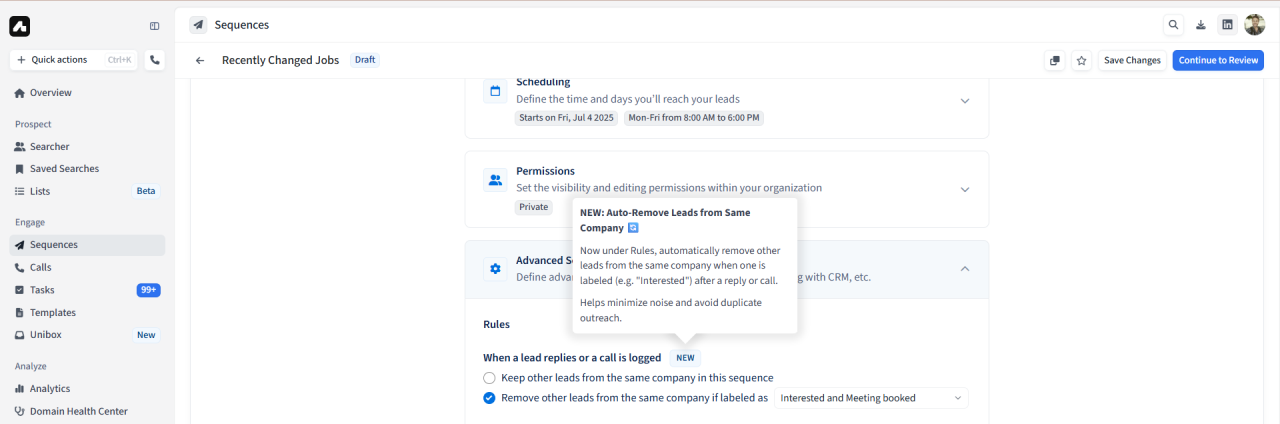
Usage-Based Pricing
Many companies are going into “survival mode”, and locked contracts do not work for them.
This, along with AI credits, have educated the market to seek Usage Based Pricing.
Positioning your SaaS into value-for-money and pay-as-you-use can be an advantage into uncertain markets.
Usage Based Pricing (UBP) - What SaaS Customers Want in 2026

For years, the seat-based model for SaaS has thrived, see the example of Asana:
Note: While this is not great for enterprise accounts who like predictability and quarterly budget planning, it’s great if your customers are Solopreneurs and SMEs.
Accessible Product (Freemium, Mini-tool)
Your product is your biggest driver.
If your audience can’t test parts of your tool, then how can they commit to a long 12-month contract?
One option is Freemium…
My favorite option is mini-tools and un-gating parts of your product.
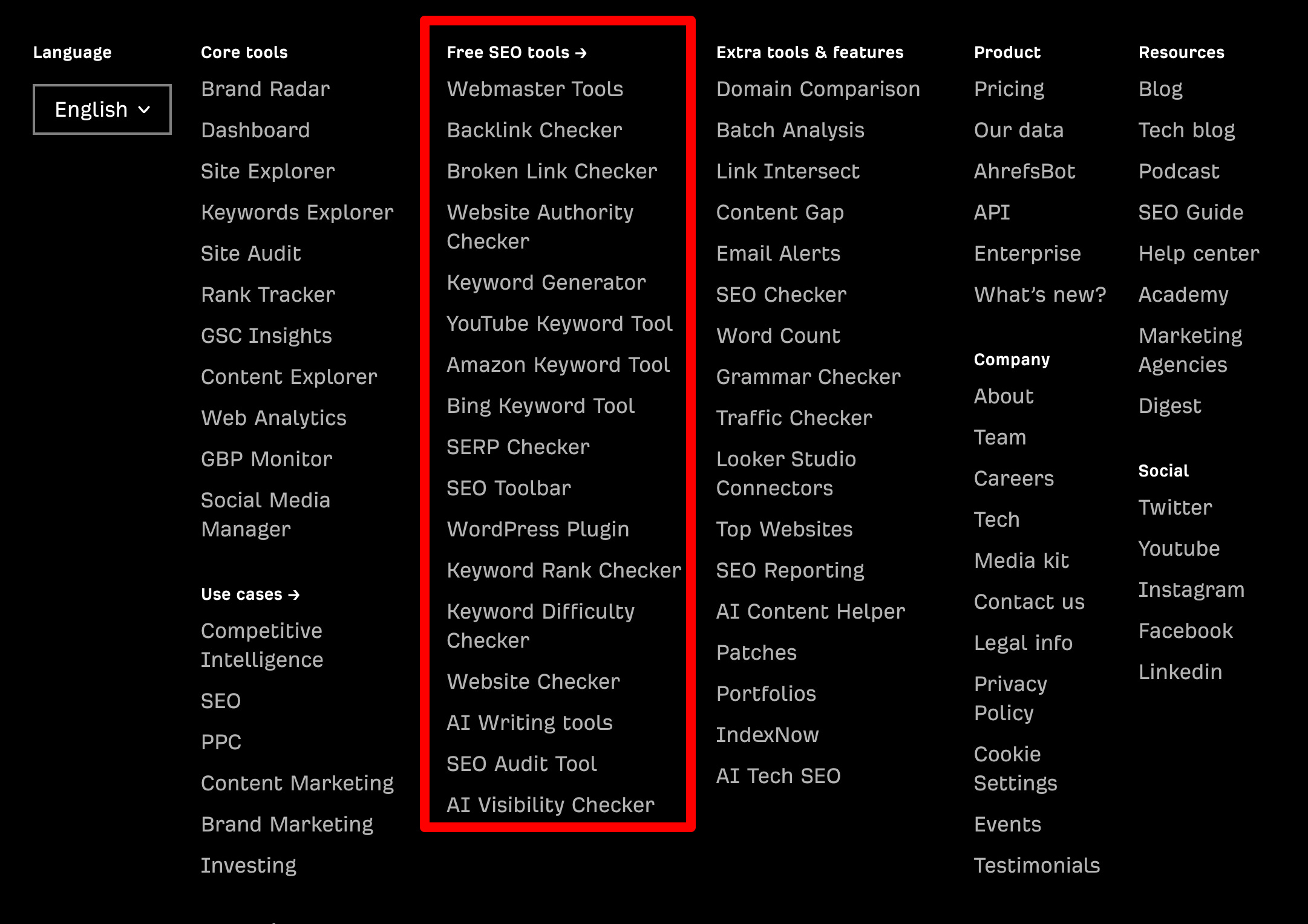
Ahrefs does this incredibly well with Free SEO tools, which are limited pieces of their main software.
Case Studies / Use Cases
Modern buyers want to know more about your product and tools.
Same as Google.
Same as AI Search Tools.
Explicitly having use cases, industries, and product pages on your website makes it more discoverable, and helps discovery channel awareness… in layman’s terms, both Google and AI tools know about your product’s capabilities and suggest it to the right people.
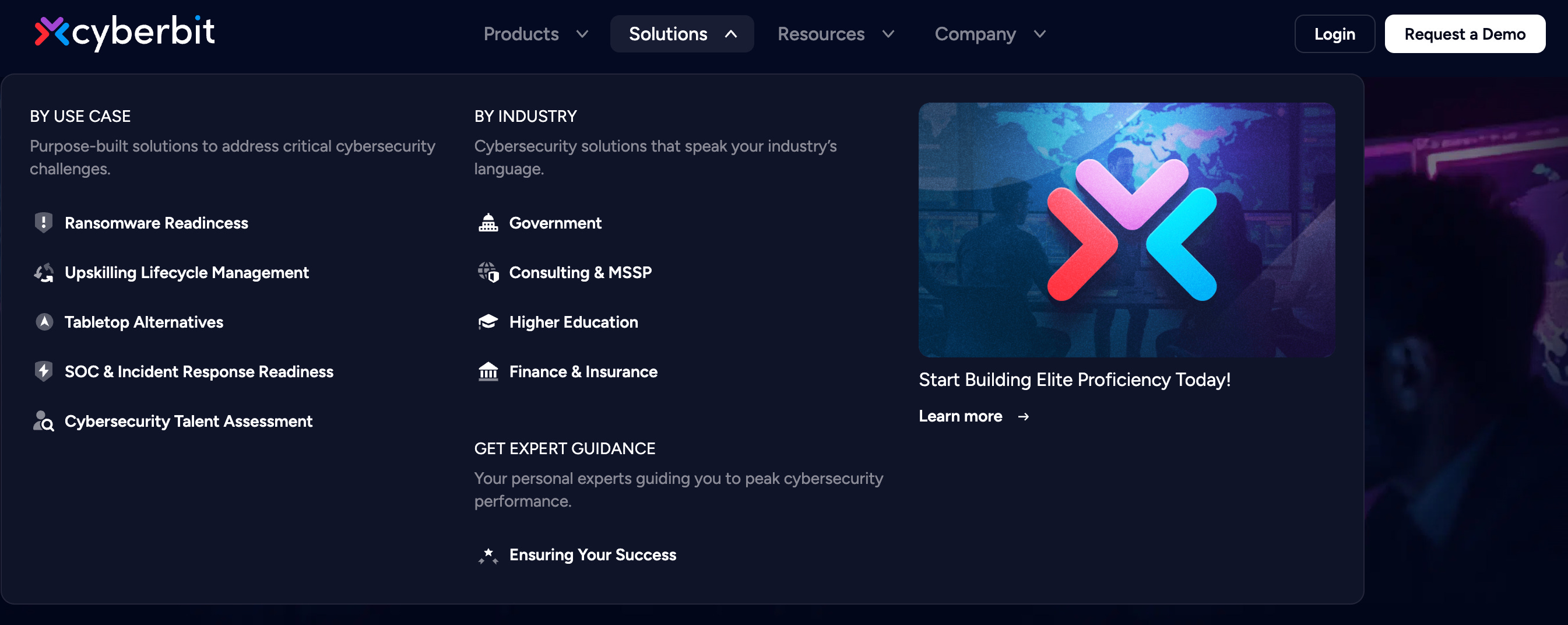
Never forget the human factor.
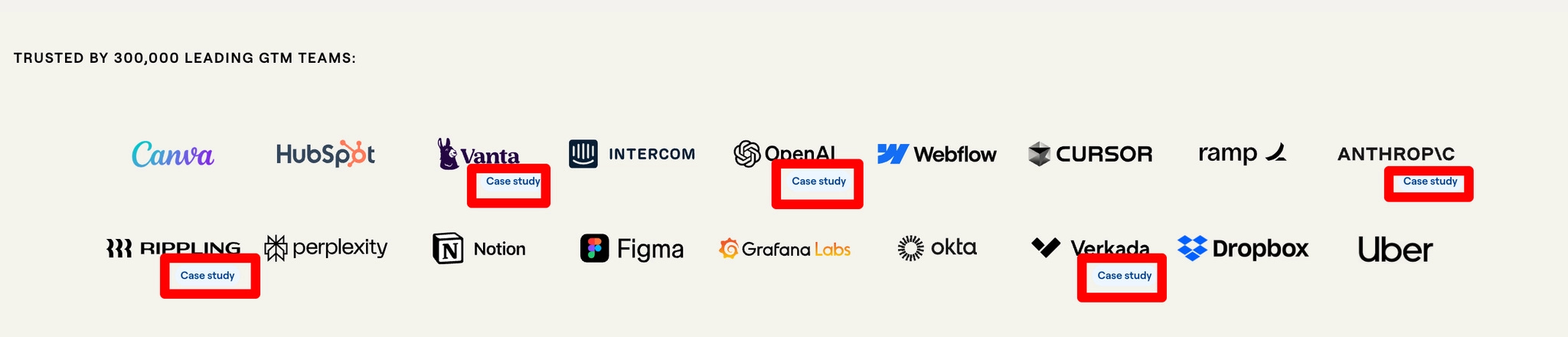
Case studies are important to showcase logos, results, and numbers. Positioning your product as the right tool and reducing resistance.
What buyers want to know from case studies?
Do you serve clients in their industry?
What is the ROI of your tool?
How can they pitch your tool to their manager / CEO / CFO / board?
P.S.: Great example on how Clay uses case studies.
Performance
Going deeper into more performance oriented growth tactics.
These are more aggressive, direct, and can bring faster, short-term results.
ABM (Account-Based Marketing)
Most marketing teams (especially enterprise) talk about ABM/ABX for years… the reality?
The higher in the B2B scale your product, the more “touches” your target account needs:
Multiple people in buying committee
LinkedIn messages
Dinners
Gifts
Events
Ads
Billboards
De-anonymization
CFO enablement
Acceleration
Presentations
Demos…
It’s a pretty complex process, for a complex buying journey.

Workflows
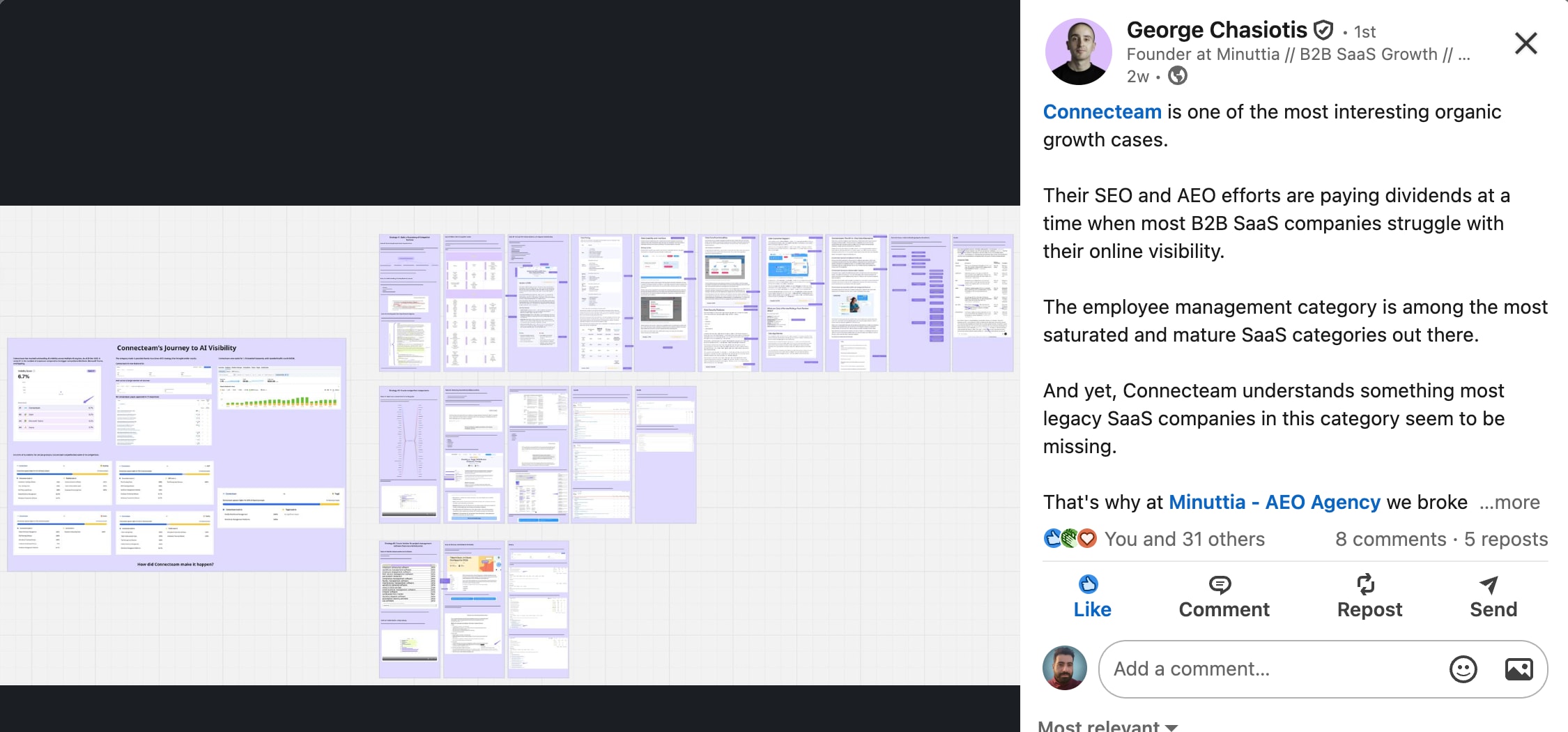
Publicly sharing workflows of successful implementations of your software, or in this case an agency workflow from George Chasiotis in a LinkedIn post can generate a lot of attention.
People trust the result if they get access to see “behind the scenes” and understand how you work.
This builds trust.
This builds the wow factor (virality).
This shows expertise.
Social & Community
Our world is more interconnected than ever, this creates the two paradoxes:
Digital, instant communication increases (volume)
The need for in-person communication increases (quality)
Social media, WhatsApp & Telegram groups, and video conferencing creates big amounts of noise, but private high-value communities both online and offline break through the noise.
Most of the following plays overlap at multiple points. For example a founder brand is both a social selling play and a micro-influencer, while in-person events might lead to more introductions in the event.
Ecosystem Platforms & Integrations
Shopify is not a simple software, it acts on both sides of the spectrum.
Platform Apps
You can easily grow a SaaS by building for a platform ecosystem like:
Shopify
WordPress
HubSpot
Salesforce
Slack…
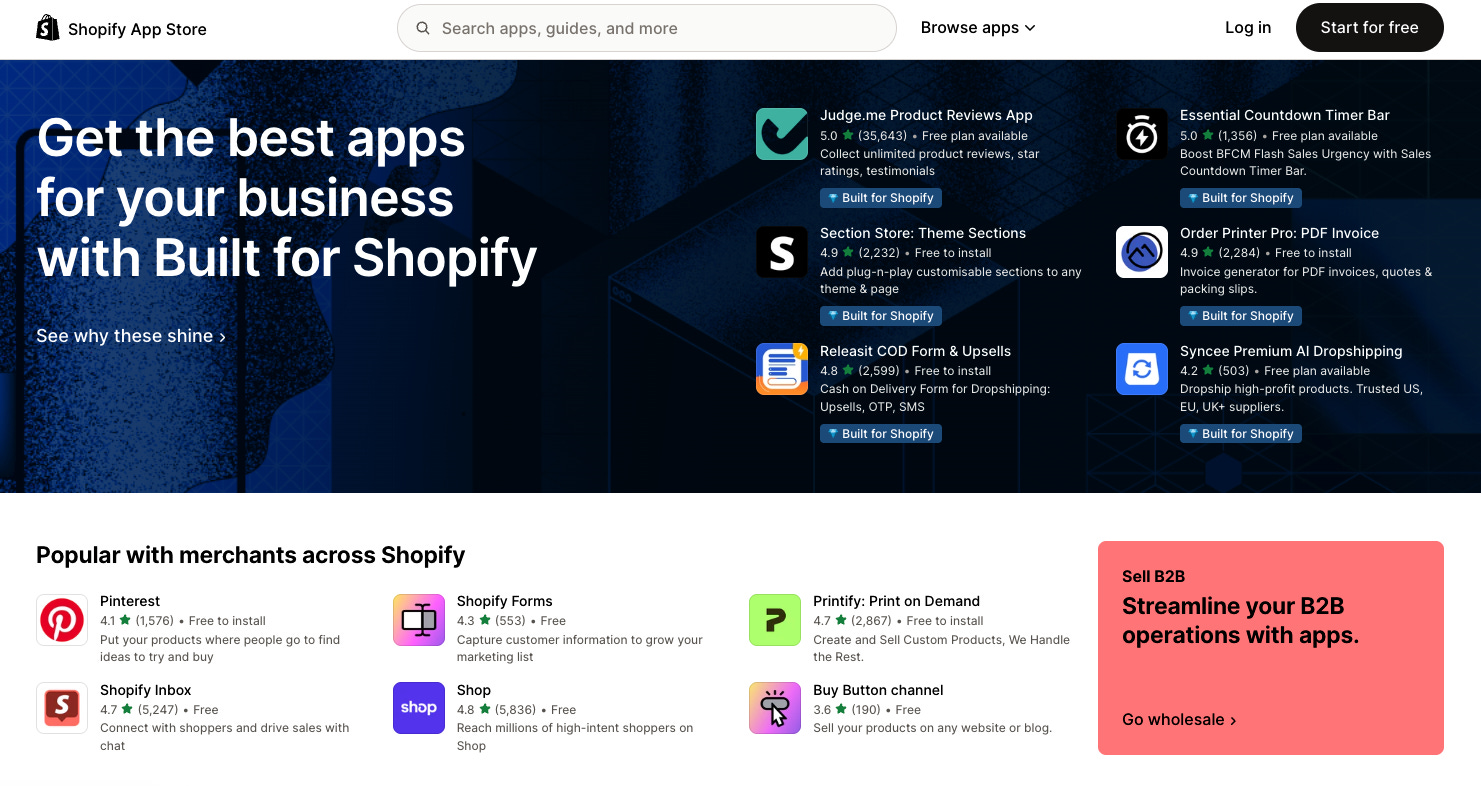
Expanding your software to serve these markets, expands the surface area you are covering up.
Integrations
In the same way, integrating with popular tools allows you to expand functionality and quickly get their audience to play well with you.
Both OpenAI (ChatGPT) and Anthropic (Claude) are integrating with other businesses to increase their surface area, usability, and accessibility.
This is an old product-led playbook that works like a charm. Both AI tool & software integration vendor win from this collaboration.

Ecosystem
The best SaaS create and own the ecosystem.
As the image above shows, Claude is the marketplace of integrations, and most other apps in that catalogue own a catalogue of 3rd party integrations as well.
Being THE ecosystem platform, where others build integrations for you enables your community to build for you.
Social Selling (Trust)
Building trust in public, and then selling your solutions is more important now than ever.
You are not competing in a busy street with people, but in the internet with competitors from every corner of the globe.
Trust is the most important coin today.
People buy from who they trust.
Showing up on their feed
Sharing interesting & valuable content
Talking in DMs
Being part of the community, long-term
Introductions
Let this be our little secret…
One of the best ways to grow is ASKING for introductions. Notice the “asking” being bold, notice me repeating it. It’s that important.
People will recommend your product. But, you can actually activate them to do so.
Make it into a process, ask for recommendations. it WORKS.
Happy clients will recommend you to their network,
they will CC you in their emails, and
will know when a peer is in-market for you.
In-Person
I have worked with technical founders for most of the last decade.
If you are a SaaS founder, being social, and shaking hands is not your strong point. However, business is often made in handshakes, especially B2B.
The higher the price of your product, the more you need to go out and talk to people.
Building up familiarity through in-person meetings, physical events, meet-ups, and even coffee or dinner events.
Micro-Influencers
Micro-influencers may have a smaller following but outsized impact to their communities. An “army” of micro-influencers may be worth as much or more than bigger ones.
And, it’s a cheaper way to start.
Especially if you are selling at a niche community, micro-influencers may offer access and help you open the market.
Micro-influencers though can overlap with other strategies in this list:
Sharing your frameworks
Creating their own frameworks/templates for your Software
Your employees as micro-influencers (especially sales)
Founder Brand
Your Founder Brand is connected to the building in public tactic, but may also be closely related (e.g. talking about the industry, not the company).
These founder brands are usually attracting other business people who want to follow your example or learn from you.
If your target audience is businesses, CEOs, or founders, then this is a great way to go.
My social media of choice is LinkedIn, but founder brands can be on Instagram, TikTok, YouTube, X (Twitter) or other social.
You, as a founder, need to be comfortable writing and speaking in public.
And, while AI can help clean up your writing and write more. You need to be able to understand what it means to write or speak as a delegate of your brand. You don’t need to be perfect, that comes with practice.
Here are a few examples I follow:


Building in Public
The main difference of building in public with a founder’s brand and social selling is that you position as a founder, and talk about:
building your product,
sharing your numbers,
celebrating wins,
talking about failure.
People love looking “under-the-hood” of rare examples of honest founders showing what it really takes to succeed.
It’s the rag-to-riches story that attracts people.
It’s the grit and struggle.
It’s the secret no one else likes to share.
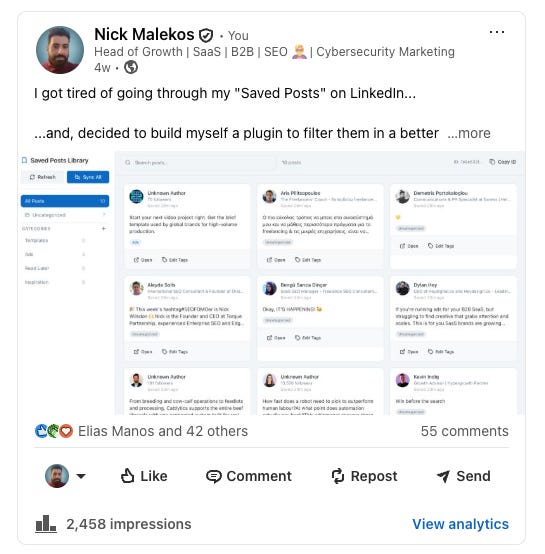
Even, myself, as not a product founder build a plugin and that was one of my most successful posts last month:
Scaling a SaaS Might Require Unscalable Actions
Each stage of the company might require a different playbook.
Many of these tactics can get a company from $0 to $10M ARR.
Some companies may require a combination of playbooks, or a single one might be enough. It depends.
And, scaling, does not always mean automating…
B2C SaaS requires volume.
B2B SaaS requires relationships.
How you built each one, it depends by industry, product, and your “super powers”.
Before you go…
These newsletters take a long time, effort, and it’s my little startup :)
If you found value, subscribe to the newsletter and follow me on LinkedIn.
And, feel free to DM me.
I enjoy conversations on marketing, business, and growing, and scaling SaaS.
A solid overview of modern SaaS growth
That's massive! Thanks for the shout-out!